The Shifting Sands of Automotive Wealth: Understanding Market Capitalization
In the fiercely competitive global automotive industry, determining the "richest" automakers goes far beyond simply looking at annual sales figures or profit margins. While these metrics are undoubtedly important, the true measure of a company's perceived value and potential lies in its market capitalization. Market capitalization, or market cap, represents the total value of a company's outstanding shares, providing a snapshot of how the investment community views its current standing and future prospects. It's a dynamic indicator, constantly fluctuating based on investor confidence, technological advancements, global economic shifts, and a company's strategic decisions.
For investors and industry observers alike, understanding market capitalization offers profound insights. A high market cap often reflects strong brand equity, innovative leadership, robust financial health, and a clear vision for navigating future challenges, such as the transition to electric vehicles (EVs) and autonomous driving. Companies that consistently rank at the top of market cap lists are typically those demonstrating exceptional adaptability, investing heavily in research and development, and successfully expanding into lucrative new markets or segments. This metric truly encapsulates the collective belief in a company's long-term viability and ability to generate future earnings, making it a powerful benchmark in the automotive world.
What Drives Market Cap in the Automotive Sector?
Several key factors contribute to an automaker's market capitalization:
- Innovation and Technology Adoption: Companies at the forefront of EV technology, battery development, autonomous driving, and connected car services often command higher valuations. Tesla, for instance, has achieved an astronomical market cap largely due to its perceived lead in these areas, despite producing fewer vehicles than traditional giants.
- Global Reach and Market Penetration: Automakers with a strong presence across diverse global markets, mitigating risks associated with reliance on a single region, tend to be more highly valued. Their ability to cater to varied consumer preferences and economic conditions enhances stability.
- Brand Strength and Customer Loyalty: Established brands with a reputation for quality, reliability, and luxury often maintain strong pricing power and customer loyalty, translating into consistent sales and profitability.
- Financial Performance: Consistent revenue growth, healthy profit margins, efficient cost management, and strong free cash flow are fundamental drivers of investor confidence and, consequently, market cap.
- Supply Chain Resilience: The recent global supply chain disruptions have highlighted the importance of robust and adaptable supply networks. Companies that can navigate these challenges effectively gain an edge.
- Strategic Partnerships and Acquisitions: Collaborations or mergers that enhance technological capabilities, market access, or operational efficiencies can significantly boost a company's perceived value.
Major Players and Their Strategies for Sustained Dominance
While specific rankings fluctuate daily, the perennial leaders in automotive market capitalization are typically a mix of legacy automakers and disruptive new entrants. Companies like Toyota, Volkswagen Group, Mercedes-Benz Group, BMW, General Motors, and Ford continue to vie for top positions, leveraging their vast production scale, extensive dealer networks, and diversified product portfolios. Toyota, for example, is renowned for its hybrid technology and lean manufacturing, providing a solid foundation even as it aggressively expands its EV offerings. Volkswagen Group, with its diverse stable of brands from Skoda to Porsche and Bentley, demonstrates strength through segmentation and global reach.
The strategies employed by these giants are multifaceted. Many are pouring billions into electrification, aiming to transition their entire fleets to zero-emission vehicles within decades. This involves not just developing new car models but also investing in battery production, charging infrastructure, and software capabilities. Furthermore, luxury segments remain crucial; brands like Mercedes-Benz and BMW command premium prices and maintain strong margins, contributing significantly to their parent companies' valuations. Companies are also focusing on subscription services, in-car technology, and data monetization to create new revenue streams beyond traditional car sales. The race for technological superiority, combined with efficient manufacturing and strong brand management, dictates who stays ahead in this high-stakes game.
The British Car Market: A Vital European Hub and Potential for Peaks
While the focus of identifying the richest automakers is global, the health and performance of individual national markets play a crucial role in their overall success and, by extension, their market capitalization. The United Kingdom, with its significant consumer base and strong automotive heritage, remains a vital European market for many global automakers. Its economic stability, consumer purchasing power, and evolving regulatory landscape directly impact sales volumes and investment decisions for companies operating there.
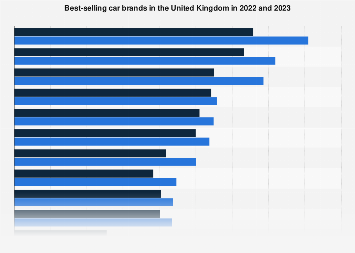
Imagine a scenario where the British Car Market 22 Year Peak is achieved. Such a peak would signify a momentous period of growth and recovery, likely driven by a confluence of factors. This could include a strong post-pandemic economic rebound, renewed consumer confidence, significant investment in electric vehicle charging infrastructure, and attractive government incentives for EV adoption. For automakers, a flourishing market like the UK means increased sales volumes, healthier profit margins, and a stronger foundation for future investments. It would signal a robust demand environment, enabling companies to confidently allocate resources for new model launches, production scaling, and technological deployments within the region. Such positive market performance contributes directly to investor sentiment and could positively influence the market capitalization of companies with significant exposure to the UK.
Understanding the dynamics of national markets, like the UK, helps investors gauge the regional strengths and weaknesses of global automotive players. For a deeper dive into how different national markets compare and contribute to the global automotive landscape, you might find our article Top 10 Global Car Markets: A Detailed Ranking Analysis particularly insightful. It provides context on how markets worldwide interact and influence each other.
Beyond the Big Names: Emerging Trends and Niche Markets
The automotive industry isn't solely defined by its top-tier giants and mainstream vehicle sales. Emerging trends and niche markets also play an increasingly important role, shaping the future and offering new avenues for growth and innovation. This includes the rise of specialized electric vehicle manufacturers, companies focusing on advanced mobility solutions like ride-sharing fleets and last-mile delivery vehicles, and even the burgeoning market for classic cars and automotive enthusiast culture.
Disruptive startups are continuously challenging established norms, often with agile development cycles and highly specialized products. For instance, companies focused solely on electric trucks or high-performance luxury EVs are carving out their own segments, attracting significant investment and sometimes achieving surprising valuations despite their smaller scale. The shift towards a service-oriented economy also means that automakers are increasingly looking at recurring revenue models, from software updates to connectivity packages, transforming the ownership experience.
Even within the broader automotive ecosystem, the passion for vehicles manifests in diverse ways, often influencing the perception and desirability of brands. Whether it's the thrill of driving a meticulously restored classic or the strategic engagement with automotive-themed games, this collective enthusiasm underpins the industry's cultural significance. For those who enjoy delving into the intricate mechanics and strategy of automotive environments, even in a simulated world, you might appreciate the insights offered in My Winter Car: Mastering Flea Market Mechanics for Success, which explores strategic decision-making in a car-related context.
Conclusion
Ranking the richest automakers by market capitalization offers a sophisticated lens through which to view the health, innovation, and future potential of the global automotive industry. It's a barometer of investor confidence, reflecting a company's ability to adapt to technological shifts, navigate economic challenges, and capture market share in a fiercely competitive environment. From the multi-billion-dollar investments in electrification and autonomous driving by established titans to the disruptive strategies of new entrants, the landscape is constantly evolving.
Factors like global market reach, brand strength, and the performance of key regional markets—such as a potential British Car Market 22 Year Peak—all contribute to an automaker's ultimate valuation. As the industry continues its transformative journey, those companies that demonstrate foresight, resilience, and a relentless commitment to innovation will undoubtedly be the ones to maintain or ascend to the pinnacle of market capitalization, shaping the future of mobility for decades to come.